
The horrors of bottom trawling
/I saw a documentary once about ocean pollution and one thing that stuck with me the most is bottom trawling. I’ve heard about it before the documentary, but I never knew the severity of it. I’ve been itching to spread the horrors caused by bottom trawling ever since. Now, I have the opportunity. I will be telling you about the environmental impact, the destruction caused to our seafloor, the bycatch and the long-term impact.
© Greenpeace
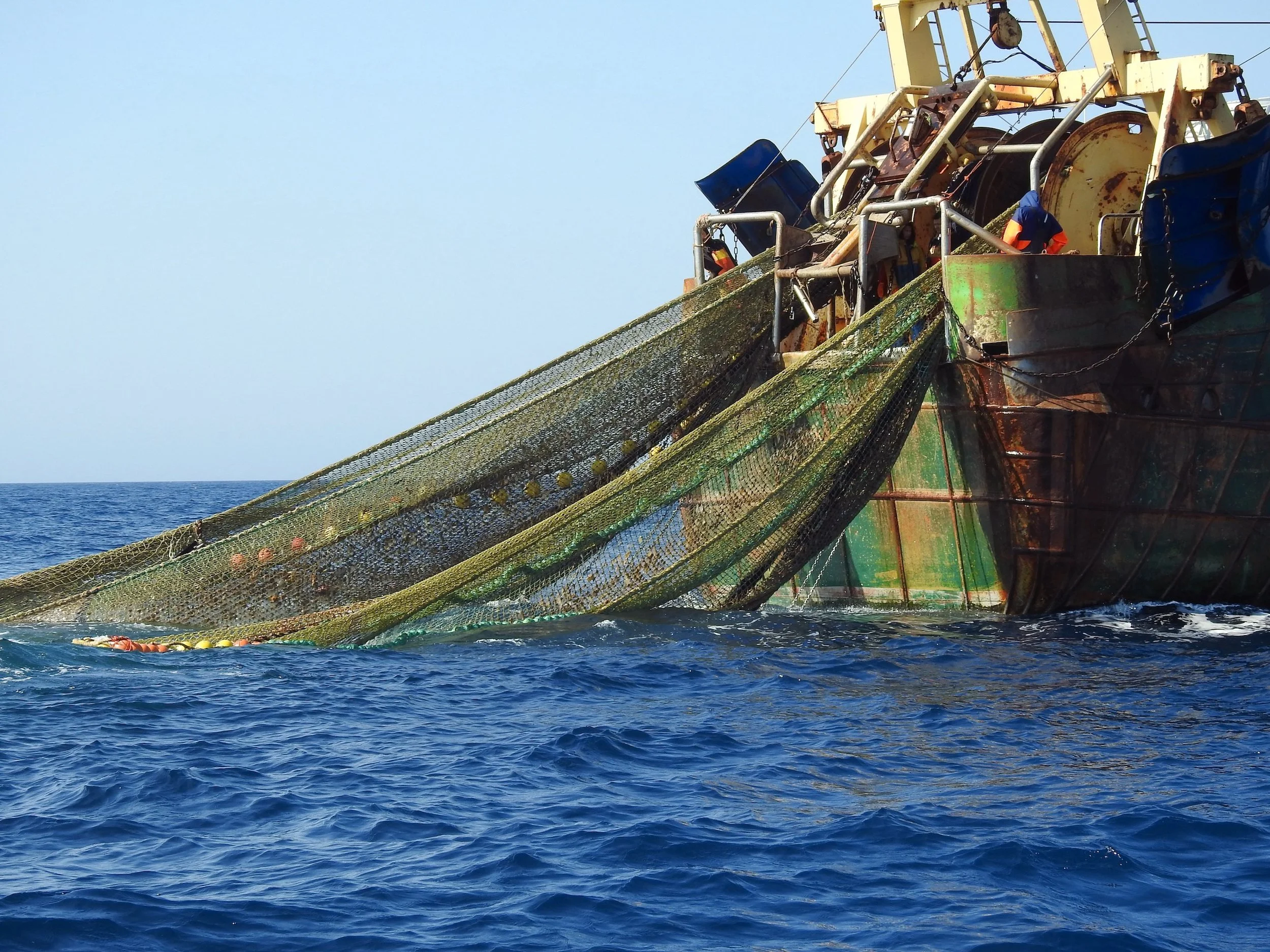
First of all, what is bottom trawling? It is a commercial fishing method. This method involves a large, weighted net attached to a boat, which is then dragged along the seafloor to catch certain species. These species are often crab and groundfish. But why is this fishing method so damaging?
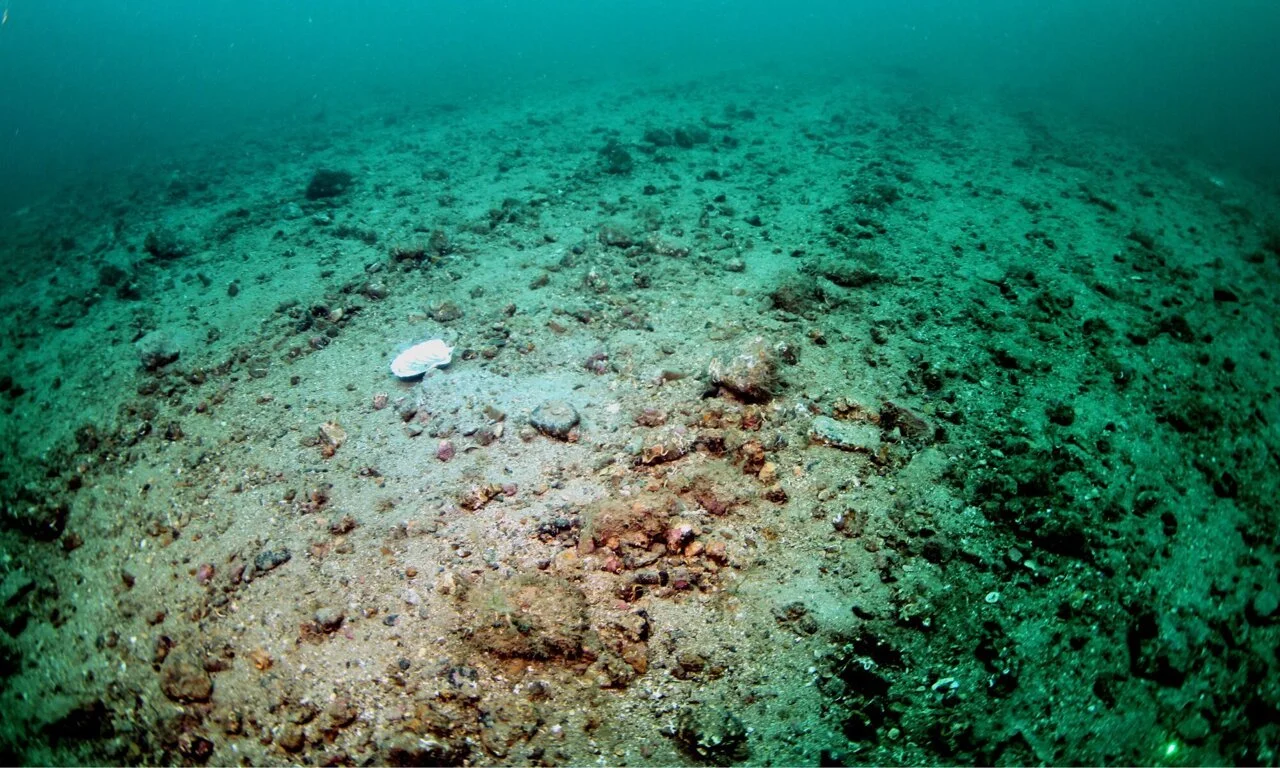
This method to catch fish has a negative impact on our environment. When these large, weighted nets are being dragged along our seafloor, it causes harm to reefs and seagrass. Reefs and seagrass are one of the ecosystems that absorb the MOST carbon. These nets not only destroy the benthos, but they also catch unwanted marine life, harming them in the process. “The ocean is the heart of our planet, pumping oxygen, nutrients, water and weather around the globe.” (The Nature Conservancy.) The ocean is important to us, and we are destroying it every day by dragging heavy nets.
Umeed Mistry/Ocean Image Library
Bottom trawling is well known in Asia, in places like China, Vietnam and Indonesia. They target seafloor that is soft, muddy and sandy, but these places are known for having more complex and fragile habitats like corals and seamounts. After the benthos are ripped and destroyed from the floor of our ocean, it can take up to centuries for them to grow back. “Deepwater corals can live for hundreds of years and are slow to recover from any disturbance.” (Ministry for Primary Industries, 2025.) When we think about it, at the end of the day, we do not have centuries to spare and wait for. The consequence of our damaged seafloor is far closer than you think. We are already seeing an impact in our climate, a rise in pollution and extinctions in our marine animals.
Colin Munro/Getty Images
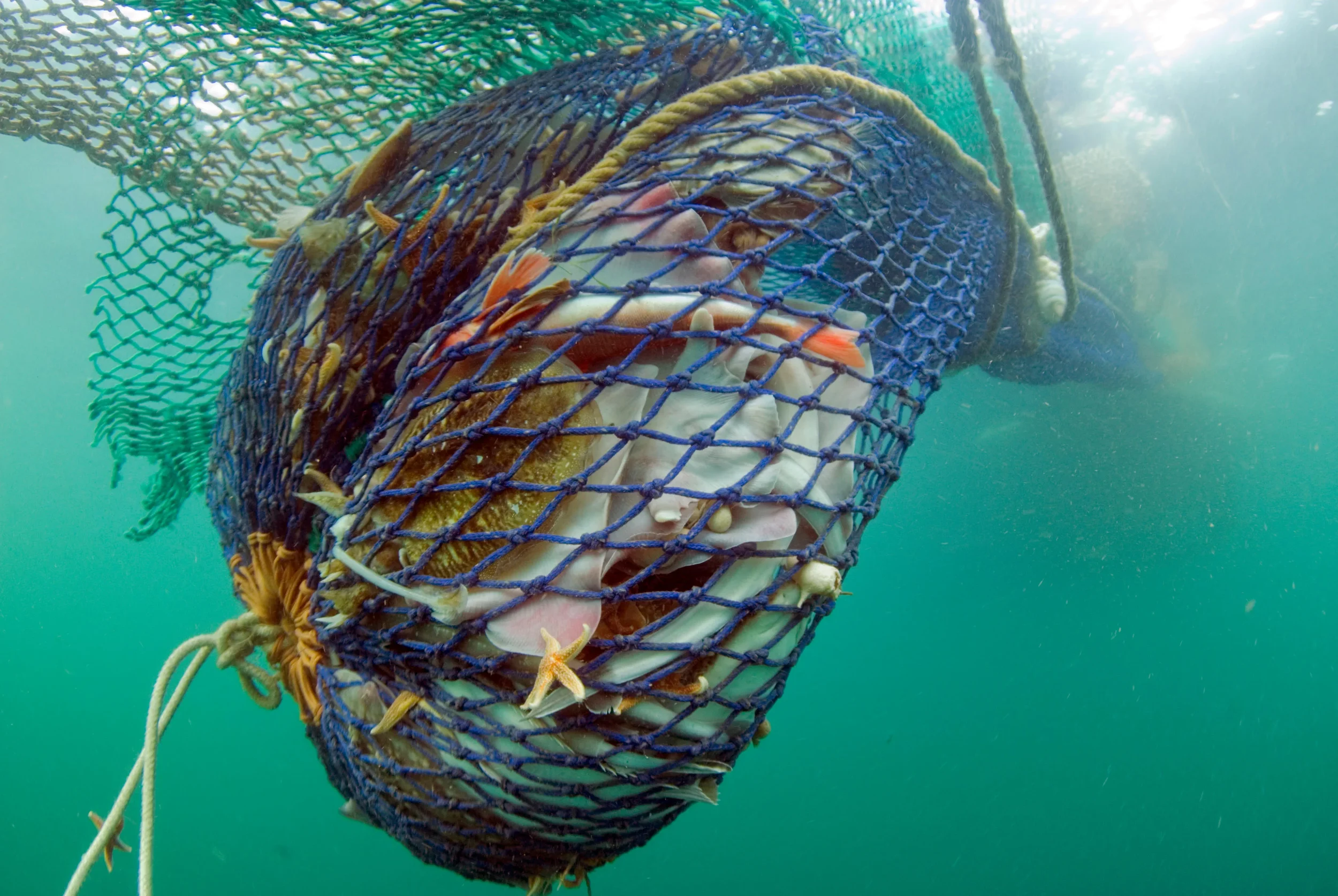
Now, most likely you already knew that bottom trawling has a big impact on our environment and our seafloor, but some are still unaware of the process. One of the popular words you will find when looking up the process is bycatching. Bycatching is one of the most horrific things I have ever seen and heard of. Bycatching is the unintentional capture of marine life. When these large nets are dragging against the seafloor, it is hard to capture just one or two specific species, so, in the process of the dragging, the net fills up with a bunch of different unwanted species. You might be wondering, how is catching unwanted species so horrifying? It’s not necessarily the action but rather the aftermath. These fishes, bycatch, are often crushed, suffocated and/or suffering by the time they make it into the boat. The workers then process to discard these dead and/or dying mammals by throwing them back into the ocean. The four most known species to suffer from bycatch are seabirds, sharks, sea turtles and sting rays.
The damages to our environment, our seafloor and our marine animals have a long-term impact. Bottom trawling can alter chemistry from our seafloor like the depletion and release of carbon, the nutrient cycle and habitual degradation. These alters are long-lasting and take a long time to recover.
In many places in the world like Sweden, Greece, UK, Denmark and Canada, bottom trawling has been banned or in the process of being banned. Many have realized the extreme damages that come with bottom trawling, yet some bottom trawling businesses are still thriving. DanSea is a company that sells trawl gear and equipment making bottom trawling fairly accessible. We need to start holding these companies accountable and stop them from continuing. There are so many active, negative impacts with this fishing method, so why are we still doing it?
The more we spread the truth, the more we will realize and speak out against it. Marine life goes through so much already with pollution, overfishing and climate change. We are only making it worse with our weighted nets. Things need to change, and it starts with one person at a time.
Allison Thompson is a Professional Writing student at Ottawa’s Algonquin College. She loves films and videos, her favourite being ‘Garden State'.’ By Zach Braff. She loves the morning air and sparkly light catchers. Her biggest muse is her Aussie named Mittens. Allison writes with great humour and kindness, making sure her readers feel safe and included in her work.